Solar 101: How it Works & Why it Matters
At Rummans Energy, we believe in transparency. Understanding how solar technology interacts with our environment and our economy is the first step toward a sustainable future for Illinois.
1. How Solar Energy Works (The Simple Version)
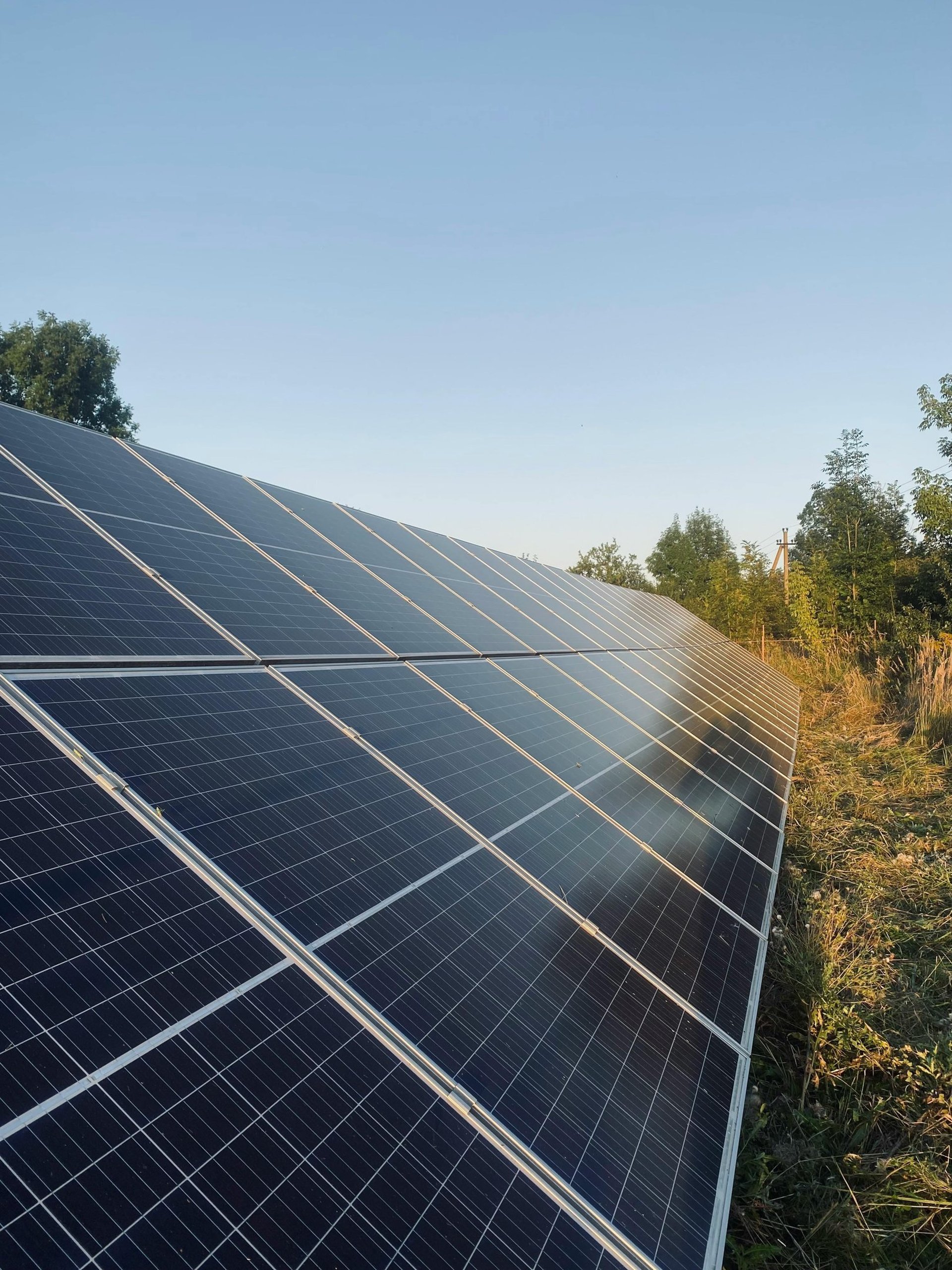
Solar panels (Photovoltaics or PV) convert sunlight directly into electricity using a silent, solid-state process.
The Reaction: When sunlight hits the silicon cells in a solar panel, it knocks electrons loose, creating a flow of Direct Current (DC) electricity.
The Inverter: Because our homes and the utility grid use Alternating Current (AC), an "inverter" on-site converts that power so it can be used locally or sent to the grid.
No Moving Parts: Unlike traditional power plants, solar arrays have no turbines, no noise, and require no fuel to operate.
2. Is it Efficient in Illinois?
A common myth is that solar only works in the desert. In reality, solar panels actually perform more efficiently in cooler temperatures like we have in the Midwest.
Illinois Growth: In 2024, Illinois added 2.5 gigawatts of new solar capacity—nearly doubling its existing output and making it one of the top-performing states for solar expansion in the U.S..
Reliable Performance: Modern panels are designed to last 25–35 years, and even after three decades, they typically still produce 85% of their original power.
3. Environmental Impact: By the Numbers
Solar energy is one of the most effective tools we have for protecting our air and water.
Carbon Reduction: One acre of solar panels saves approximately 175–198 metric tons of CO2 per year. To put that in perspective, solar is over 200 times more effective at carbon reduction per acre than forest land.
Carbon Payback: While it takes energy to manufacture a panel, a solar array "pays back" its manufacturing carbon footprint within 2 to 3 years of operation.
Water Conservation: Unlike coal or nuclear plants that require millions of gallons of water for cooling, solar PV requires virtually zero water to generate electricity.
4. Solar & Soil: A "Land Bank" for the Future
We don't see solar as a replacement for farming; we see it as a partner.
Resting the Land: A solar lease acts as a "land bank," allowing the soil to rest from intensive tilling and chemical fertilizers for 25+ years.
Agrivoltaics: We can pair solar with agriculture (agrivoltaics), such as grazing sheep or planting pollinator-friendly native seeds. One study found that sheep grazing on solar sites can improve soil organic matter by up to 200% in less than seven years.
Recyclability: Solar panels are made of roughly 95% recyclable materials, including glass, aluminum, and silicon. The industry is rapidly expanding domestic recycling facilities to ensure these materials stay in the circular economy.
Sources & References
U.S. Department of Energy: How Does Solar Work?
Illinois Solar Map: Illinois Solar Industry: Growth and Data
Solar United Neighbors: Soil Health Under Solar Panels
Lawrence Berkeley National Laboratory: Solar Displacement of CO2 Emissions
Clean Energy Council: Debunking Solar Toxicity Myths
Ember Energy:Global Electricity Review 2025

Contact Us
GET IN TOUCH
QUICK LINKS
SUPPORT
DUNLAP, ILLINOIS
(309) 222-0731
CONNECT WITH US


Proud Member